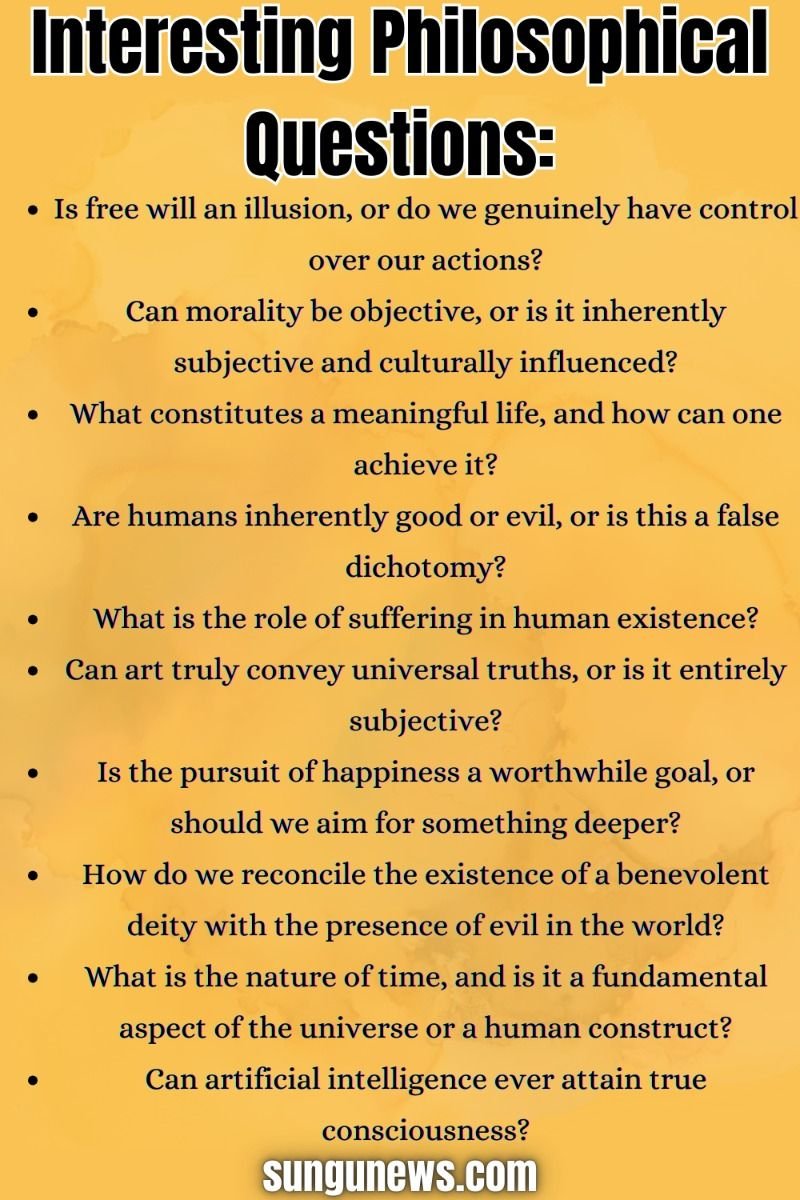
When you peel back the layers of ancient history, few figures loom as large and complex as Julius Caesar. His dramatic rise and fall, immortalized in countless retellings, continues to spark profound discussions, particularly the philosophical and ethical questions raised by Caesar's story. It’s not just a tale of political intrigue; it's a timeless examination of power, ambition, morality, and the very nature of human governance. What lessons can we, millennia later, still draw from the choices made by Caesar, his allies, and his assassins?
At a Glance: Caesar's Enduring Ethical Crossroads
- Power's Corrupting Influence: Caesar's story reveals how power, even when originating from the people, can easily morph into tyranny.
- The Volatile Role of the Masses: The populace, easily swayed by rhetoric and emotion, plays a pivotal yet often manipulated role in shaping political outcomes.
- Ethics of Leadership: Leaders face a constant tension between acting in the public interest and succumbing to personal ambition.
- Strategic Mercy vs. Vengeance: Caesar's policy of clemencia offers a complex view of mercy as a tool for consolidation, not just compassion.
- Individual Genius vs. Republican Ideals: The conflict between an extraordinary leader's vision and the foundational principles of shared governance remains a critical dilemma.
- Fate, Free Will, and Pragmatism: Caesar's life explores the intricate dance between belief in destiny, rational decision-making, and strategic action.
- The Enduring Relevance: These ancient Roman struggles echo in modern political landscapes, challenging us to constantly re-evaluate our systems and leaders.
The Unending Grip of Power: Caesar's Legacy of Questions
Caesar’s narrative is, at its core, a relentless exploration of power: how it's acquired, how it's wielded, and how it inevitably corrupts. You see this dynamic playing out in every corner of the story, from the halls of the Senate to the streets where the Roman plebeians gathered.
Power, even when bestowed by the people, always seems to carry the seeds of its own perversion. While Rome's political structures contained vestiges of democracy, fiercely defended by high ideals, Caesar’s trajectory forces us to confront a chilling question: Does democracy truly immunize power against corruption? Or does it merely offer a more circuitous route for ambition to find its way to absolute control?
The Populace: A Volatile Audience in the Theater of Power
The Roman masses were more than just passive observers; they were a constant audience and active participant in the theater of power. Their collective opinion, however, was rarely unadulterated. Leaders like the tribunes Marullus and Flavius attempted to filter and police public sentiment, often in vain. This raises fundamental questions about the agency of the electorate: How much control do the people truly have when their perceptions can be so easily shaped and reshaped?
Consider the stark contrast between Brutus and Antony. Brutus, representing a form of ethical politics, genuinely believed he acted in the public interest by participating in Caesar's assassination. Yet, he carried out this monumental decision in the private Senate, aware that Romans would only learn of it after the fact. This highlights a critical ethical tightrope: Can a leader truly act "for the people" by making decisions without the people’s immediate consent, even if driven by noble intentions?
Antony, on the other hand, was a master manipulator. His charismatic oratory at Caesar's funeral wasn't just persuasive; it was a calculated act to incite bloodlust, turning public grief into a weapon for his own ends. His moral authority was ambiguous at best, and his ability to sway the masses has chilling parallels to 20th-century dictators like Benito Mussolini. This demonstrates the immense danger when public discourse is hijacked by charisma over substance, reminding us that the masses are often governed less by reason and more by raw emotion – exemplified by their gruesome murder of the innocent poet Cinna.
Caesar's Contradictory Philosophy: Pragmatism, Destiny, and Mercy
Julius Caesar's life wasn't guided by abstract academic theories; it was a profound philosophical dimension grounded in pragmatism, ambition, political realism, and a keen understanding of human nature. His writings, especially "The Commentaries," his speeches, and his sweeping reforms, reveal a worldview that blended elements of stoicism with an almost Machiavellian pragmatism.
He displayed remarkable coolheadedness in battle and composure in crisis, making deliberate decisions always guided by desired outcomes, impeccable timing, and strategic advantage. You won't find him pondering abstract ethics in the Platonic sense; instead, he understood people as inherently ambitious, fearful, and self-interested. This places him closer to a political realist like Machiavelli than to idealists like Plato or the tranquil philosophers of Zeno's school.
The "First in a Village" Ambition and Crossing the Rubicon
Central to Caesar's philosophy was an unshakable belief in his own destiny, famously claiming descent from the goddess Venus through Aeneas. His ambition wasn't a reckless impulse; it was strategic, meticulously planned, and aimed at fundamentally reshaping the system rather than merely serving within it. The often-quoted sentiment, "It is better to be first in a village than second in Rome," perfectly encapsulates this drive. It speaks to a deep-seated conviction that true impact comes from decisive, singular leadership, not from being part of a larger, perhaps less efficient, collective.
Crossing the Rubicon, a point of no return, wasn't just a military maneuver; it was a profoundly philosophical act of revolution. It symbolized his transgression of the old order, a deliberate breaking of established laws to usher in a new, personalized regime. This moment forced a confrontation with the very foundations of Roman governance: When does personal conviction and perceived necessity outweigh established law?
The Strategic Kindness of Clemencia
One of the most philosophically significant qualities Caesar displayed was his use of clemencia (mercy). Unlike the brutal proscriptions of his predecessor Sulla, Caesar frequently pardoned his foes, including figures who would later betray him like Brutus, Cassius, and Cicero. This wasn't merely a sign of compassion; it was a highly moral and strategic choice.
Echoing Senecan stoicism, Caesar viewed mercy as a virtue of the strong, a powerful tool for consolidating power. By showing clemency, he aimed to win loyalty and gratitude from former enemies, transforming potential threats into allies, or at least neutral parties. This raises a fascinating ethical question: Is mercy truly virtuous if its primary intent is strategic advantage and the consolidation of power? Or does its utilitarian outcome—reducing bloodshed and fostering reconciliation—still qualify it as a moral good?
The Architect of Empire: Pragmatic Reforms and Utilitarian Visions
Caesar’s reforms weren't just administrative tweaks; they reflected a pragmatic statecraft driven by a comprehensive vision for Rome. His actions, from restructuring the Julian calendar to increasing the Senate's size, offering citizenship to provincials, and centralizing administrative power, were all steps towards building a robust empire.
These reforms stemmed from a utilitarian approach, focused on order, efficiency, and progress for the Roman state as a whole, even if it meant breaking with outdated Republican structures. He sought to dismantle what he perceived as an ailing and inefficient Senate, believing that extraordinary times demanded extraordinary individuals to bring stability. This highlights a timeless debate: When is it justified to dismantle established institutions for the sake of greater order and progress, and at what cost to existing liberties?
Individual Greatness vs. Republican Liberty: The Heart of the Crisis
The tension between individual greatness and republican liberty was perhaps the core philosophical question of Caesar's life. He genuinely believed that only a leader of his stature could bring stability and prosperity to a Roman Republic teetering on the brink of collapse. By assuming dictatorial powers, he challenged the very fabric of Roman values, which prized shared governance and collective decision-making.
This concentration of power in a charismatic leader became known as "Caesarism," a concept that continues to resonate through history. His assassination on the Ides of March, therefore, wasn't merely a political murder; it was a profound philosophical crisis. It forced Rome, and by extension, all subsequent societies, to grapple with whether virtue is a collective ideal, expressed through shared governance, or if it can manifest singularly in an exceptional individual. Can liberty truly survive when confronted by overwhelming individual greatness, even if that greatness promises order and prosperity? The conspirators, including Brutus, were deeply flawed, and their desperate act, intended to save the Republic, instead plunged Rome into even greater chaos, proving that well-intentioned violence rarely guarantees its desired outcome. Mark Antony, dynamic but opportunistic, further complicated matters by diverting Caesar's bequests for his own gain.
The play hints that young Octavius Caesar might be an answer, a new balance. Yet, ultimately, Caesar's story warns us that power remains a dangerous entity unless it is consistently balanced with nobility, pragmatism, and a rigorous ethical framework. Explore Caesars full story to dive deeper into the nuances of his complex reign and lasting impact.
Navigating Fate and Free Will: Caesar's Dual Approach
Caesar's relationship with fate was nuanced, a fascinating blend of ancient piety and modern rationality. As Pontiff, he was meticulous in religious ritual, even reforming the calendar. Yet, he was also rational and skeptical, often dismissing omens and superstitions that might have swayed others. His writings consistently emphasized reason and strategic planning over divine intervention, suggesting a belief that human agency played the decisive role.
However, this rationalist streak didn't preclude him from expertly utilizing symbolism. He actively crafted an image of destined greatness, leveraging his claimed divine lineage to cultivate a mystique around himself. This dualism—the pragmatic controller of events and the mythic figure of destiny—defined his personal philosophy. It challenges us to consider how much of our lives are truly governed by fate, and how much by our own calculated will and the narratives we construct about ourselves.
Timeless Lessons from Rome's Turbulent Heart
Caesar's model of personal rule, his populist rhetoric, and his institutional reforms have left an indelible mark on Western thought, influencing thinkers from Machiavelli, who saw him as the quintessential prince, to Nietzsche, who admired his will to power. His life continues to pose fundamental questions that are just as relevant today as they were two millennia ago:
- Can power be used virtuously? Or does its very nature corrupt those who wield it, regardless of initial intentions? Caesar's story offers no easy answers, showing how noble aims can justify authoritarian means, leading to a slippery slope.
- Should law bend to necessity? When established legal frameworks seem inadequate to address societal crises, is it ethical for a leader to transgress those laws for what they perceive as the greater good? Caesar's crossing of the Rubicon is the ultimate embodiment of this dilemma.
- Is the fate of the many best served by the will of one? The conflict between individual genius and collective governance, "Caesarism" versus republican liberty, remains a core challenge in any political system. What is the right balance, and how do we prevent the concentration of power from becoming an unchecked tyranny?
These questions aren't confined to history books. They echo in debates about executive power, democratic safeguards, and the responsibilities of leadership in every generation.
Understanding the Echoes: Applying Caesar's Questions Today
The story of Julius Caesar isn't just a historical drama; it's a living guide to the perpetual challenges of governance and human nature. By engaging with the philosophical and ethical questions it raises, we gain invaluable tools for understanding our own world.
- Recognizing "Caesarism": Learn to identify the warning signs in contemporary leaders who centralize power, dismiss opposing views, or appeal to a sense of destiny to justify their actions. It's not about condemning ambition, but understanding its potential for overreach.
- The Responsibility of the Informed Populace: Caesar's story vividly illustrates how easily public opinion can be swayed by charismatic rhetoric, sometimes leading to disastrous outcomes like the murder of Cinna. As citizens, our critical engagement and commitment to reason are paramount safeguards against manipulation.
- Balancing Ambition with Ethical Governance: For aspiring leaders, Caesar's life serves as a potent reminder that ambition, while necessary for change, must be tempered by a strong ethical compass and a respect for the institutions and liberties it seeks to serve. The chaos that followed his death underscores the fragility of systems built purely on individual will.
By continuously asking these profound questions, we remain vigilant, engaged, and better equipped to navigate the complex interplay of power, morality, and justice in our own time.